
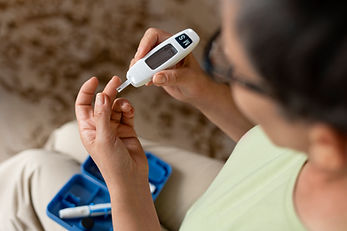
Managing Gestational Diabetes, Supporting a Healthy Future.
Dr. Divya C. Ragate provides personalized, evidence-based diagnosis and management of Gestational Diabetes in Bengaluru, focusing on blood sugar monitoring, individualized nutrition and lifestyle guidance, appropriate insulin or medication therapy when required, pregnancy care, complication prevention, and postpartum follow-up to support the health of both mother and baby.
Gestational Diabetes
During pregnancy, the placenta produces essential hormones that support the baby’s growth and development. However, these hormones can also reduce the body’s sensitivity to insulin, leading to increased insulin resistance.
In most women, the pancreas compensates by producing more insulin to maintain healthy blood glucose levels. When the body is unable to produce sufficient insulin to meet the increased demands of pregnancy, blood glucose levels can rise, resulting in Gestational Diabetes Mellitus (GDM).
Dr. Divya emphasize that gestational diabetes is different from diabetes that existed before pregnancy. When significantly elevated blood glucose is detected early in pregnancy, it is important to evaluate whether it may represent previously undiagnosed diabetes rather than typical GDM. Timely diagnosis and personalized medical care help support a healthy pregnancy and reduce the risk of complications for both mother and baby.
Symptoms of Gestational Diabetes
The important point: many women have no symptoms
Gestational diabetes is frequently discovered during routine pregnancy screening rather than because of symptoms.
When blood glucose is elevated, some women may experience:
-
Increased thirst
-
Passing urine more frequently than usual
-
Increased hunger
-
Unusual tiredness or fatigue
-
Blurred vision
-
Recurrent infections, particularly urinary or genital infections
-
Occasionally, unexplained weight changes
However, these symptoms cannot diagnose gestational diabetes because several of them can also occur during a normal pregnancy.
Therefore, feeling completely well does not rule out GDM.
Who Has a Higher Risk of Gestational Diabetes?
The condition can occur in women without obvious risk factors. However, the risk may be higher with factors such as:
-
Previous gestational diabetes
-
A previous baby with a high birth weight
-
Overweight or obesity
-
A parent, brother or sister with diabetes
-
A history of prediabetes or abnormal glucose levels
-
Increasing maternal age
-
A history of polycystic ovary syndrome in some women
-
Certain ethnic backgrounds associated with higher diabetes risk
Previous GDM is particularly important because it increases the possibility of GDM in a subsequent pregnancy.
When is Gestational Diabetes Diagnosed?
Screening is commonly performed around 24–28 weeks of pregnancy, because insulin resistance tends to increase as pregnancy progresses.
However, women with significant risk factors or previous GDM may require testing earlier in pregnancy, with repeat testing later if the initial test is normal.
In India, the National Health Mission describes a universal testing approach using a 75-g oral glucose test, with repeat testing at 24–28 weeks when the initial test is negative.
Gestational Diabetes Diagnosed?
Different countries and medical organizations use different diagnostic protocols. Therefore, the exact test and cut-off values should be interpreted according to the guideline followed by the treating doctor.
75-g oral glucose test
In the Indian DIPSI approach, a pregnant woman is given 75 g of glucose, and a blood glucose measurement is taken two hours later. A 2-hour plasma glucose value of ≥140 mg/dL is used to diagnose GDM under this approach.
Other international protocols use a fasting glucose measurement followed by glucose measurements after the 75-g glucose drink and may use different thresholds.
Important
A blood glucose value that is very high, particularly early in pregnancy, may indicate diabetes that existed before pregnancy rather than ordinary gestational diabetes. Your doctor may therefore recommend additional testing.
Why Does Gestational Diabetes Need Treatment?
Uncontrolled high blood glucose during pregnancy can increase the risk of complications for both mother and baby.
Possible complications include:
For the mother
-
Pregnancy-related high blood pressure
-
Preeclampsia
-
Increased likelihood of induction of labour
-
Increased likelihood of caesarean delivery in some circumstances
-
Increased risk of developing type 2 diabetes later in life
For the baby
-
Excessive fetal growth, called macrosomia
-
Difficulties during delivery, including birth injury
-
Low blood glucose after birth
-
Other newborn complications
WHO identifies hyperglycaemia during pregnancy as being associated with complications including hypertensive disorders, macrosomia, neonatal hypoglycaemia and birth injury.
Management of Gestational Diabetes
Treatment is individualized according to blood glucose levels, pregnancy stage, baby's growth, maternal health and other factors.
-
Medical Nutrition Therapy
-
Physical Activity
-
3. Blood Glucose Monitoring
-
Medicines and Insulin
Monitoring the Baby During Pregnancy
GDM care involves monitoring not only the mother's glucose but also the baby's growth and wellbeing.
Depending on the mother's glucose control and pregnancy circumstances, the obstetric team may monitor:
-
Baby's growth
-
Amniotic fluid
-
Fetal wellbeing
-
Maternal blood pressure
-
Maternal weight and overall health
Additional scans or monitoring may be recommended when clinically indicated.
The purpose is to identify excessive fetal growth and other pregnancy complications early.
Gestational diabetes is manageable, but it should not be ignored. Early screening, appropriate nutrition, regular physical activity when medically safe, home glucose monitoring when advised, and timely treatment can help protect both mother and baby.
If you have been diagnosed with GDM, don't panic and don't blame yourself. Work closely with your obstetrician, endocrinologist, diabetes educator and dietitian to create a pregnancy care plan suited to you.
Gestational Diabetes Care
Gestational Diabetes management involves more than monitoring blood sugar. It includes personalized nutrition, appropriate physical activity, regular glucose monitoring, medication or insulin when required, and consistent antenatal follow-up. Mothers should be supported in understanding their glucose targets, recognizing persistently high or low blood sugar levels, and knowing when to seek medical attention. Regular monitoring of the mother’s health and the baby’s growth is also an important part of care. Personalized diabetes education and support can help mothers and families develop the knowledge and confidence needed for safe day-to-day management throughout pregnancy and after delivery.

Healthy Pregnancy Through Effective Diabetes Management
Gestational diabetes is usually a temporary condition related to pregnancy, but effective management is important for the health of both mother and baby. Personalized nutrition guidance, regular blood glucose monitoring, appropriate physical activity, and medication or insulin when required can help maintain healthy blood sugar levels throughout pregnancy. Regular antenatal and postpartum follow-up also supports a healthy pregnancy and helps reduce the mother’s long-term risk of developing type 2 diabetes.